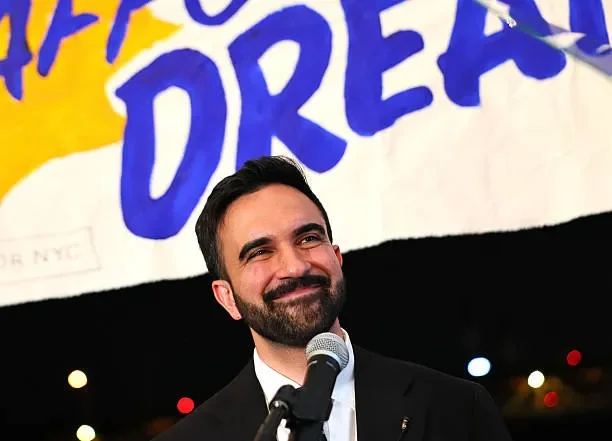
As Zohran Mamdani marks his first 100 days as mayor of New York City, he is presenting his early record as proof that ambitious, progressive governance can begin delivering results—even amid political and financial constraints.
Mamdani, who took office in January 2026 as the city’s 112th mayor, came in with a bold platform focused on affordability, public services, and economic reform.
Early Wins and Policy Focus
In interviews reflecting on his first months in office, Mamdani has highlighted several early achievements. These include securing funding to expand childcare access, launching initiatives aimed at improving infrastructure, and directing resources toward working families and small businesses.
City officials point to investments in childcare programs as a cornerstone of the administration’s agenda. The mayor has framed these efforts as a step toward a broader goal of universal childcare, a key campaign promise.
At the same time, the administration has emphasized practical improvements—such as repairing infrastructure and expanding city services—as part of a “deliver now” approach meant to build public trust.
Balancing Ambition with Reality
Despite these early actions, Mamdani has acknowledged that not all campaign promises can be fulfilled immediately.
Some proposals—such as fare-free public buses and city-owned grocery stores—require coordination with state leaders and long-term funding strategies. While progress has begun, full implementation is expected to take years rather than months.
This reflects a broader challenge facing the administration: balancing ambitious policy goals with budget limitations and political realities at both the city and state levels.
Political Strategy and Leadership Style
Mamdani has also drawn attention for his approach to leadership, particularly his willingness to engage with political figures across the spectrum.
He has argued that maintaining working relationships—even with ideological opponents—is necessary to secure resources and protect the city’s interests. According to the mayor, this pragmatic strategy is about ensuring New York City can function effectively in a complex political environment.
Public Response and Challenges Ahead
Public opinion on Mamdani’s performance remains mixed but notable. Early polling suggests that roughly half of New Yorkers approve of his leadership so far, while a smaller portion disapprove.
Supporters credit him with taking meaningful first steps toward addressing affordability and inequality. Critics, however, argue that progress has been slower than promised and that some policies lack clarity or immediate impact.
Looking ahead, the administration faces major tests, including closing budget gaps, expanding housing access, and delivering on high-profile campaign pledges.
The Road Forward
For Mamdani, the first 100 days represent just the beginning. He has framed this period as laying the groundwork for broader structural changes over the course of his term.
Whether his administration can turn early momentum into long-term transformation will likely define his tenure—and shape the future of New York City politics.
If you want, I can also: