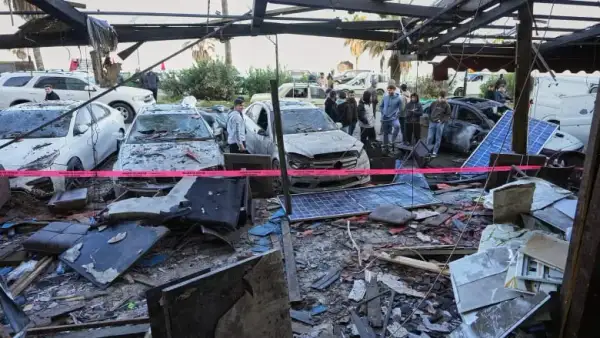
A temporary ceasefire between Israel and Lebanon is now in effect, offering a brief pause in weeks of intense fighting, as global leaders push for broader negotiations tied to the ongoing Iran conflict.
The 10-day truce, brokered by the United States, is being viewed as a potential stepping stone toward a wider regional agreement—but officials caution that the situation remains highly unstable.
Ceasefire Begins Amid Uncertainty
The ceasefire officially took effect after direct diplomatic efforts involving the U.S., Israel, and Lebanon.
The agreement aims to halt hostilities between Israeli forces and Hezbollah fighters operating in Lebanon. It also opens the door for further negotiations toward a longer-term settlement.
However, uncertainty remains high. Hezbollah has expressed reservations about the deal, and both Israeli and Lebanese officials have warned that violations could quickly derail the fragile pause.
Displaced Civilians Begin Returning
With fighting paused, thousands of displaced civilians have started returning to southern Lebanon after weeks of conflict.
The violence has caused widespread destruction and forced large-scale displacement, with humanitarian groups now working to deliver aid and assess damage in affected areas.
Officials have urged caution, warning that conditions on the ground may still be unsafe due to unexploded ordnance and the risk of renewed clashes.
Iran Talks Linked to Regional Stability
The Lebanon ceasefire is closely tied to broader negotiations involving the United States and Iran.
Diplomatic efforts are ongoing, with mediation from international partners aimed at securing a longer-term agreement that addresses nuclear concerns, regional security, and military activity across the Middle East.
Iran has made the situation in Lebanon a key condition in discussions, signaling how interconnected the conflict has become.
Strait of Hormuz Crisis Adds Global Pressure
At the same time, global attention is focused on the Strait of Hormuz, a critical oil shipping route affected by the conflict.
International leaders recently held a summit to address disruptions in the strait, which have impacted global energy markets and trade.
Efforts are underway to restore safe passage, though tensions remain high and military planning continues among participating nations.
A Complex, Multi-Front Conflict
The current crisis involves several overlapping fronts:
- Israel–Hezbollah fighting in Lebanon
- U.S.–Iran tensions and ceasefire negotiations
- Disruptions to global shipping and oil supply routes
Recent weeks have seen rapid escalation, followed by equally fast-moving diplomatic efforts aimed at preventing a broader regional war.
What Happens Next
The coming days will be critical in determining whether the ceasefire holds and whether diplomacy can succeed.
Key questions include:
- Will the Lebanon ceasefire last beyond 10 days?
- Can U.S.–Iran talks produce a lasting agreement?
- How will regional groups like Hezbollah respond moving forward?
For now, the ceasefire offers a narrow window for negotiations—but the path to lasting peace remains uncertain.